
Top 10 Menstrual (Period/Bleeding) Phase Meals & Recipes for Hormone Balance
When you're on your period, sometimes all you want is a heating pad, a cozy meal, and absolutely ZERO responsibilities. 😂
But did you know that what you eat during your period can help support your energy, nutrient needs, and overall hormone health? And set your new cycle up for success?!
During the menstrual phase, your body is shedding its uterine lining, estrogen and progesterone are relatively low, and you may be experiencing symptoms like cramps, fatigue, bloating, or headaches.
This is where cycle syncing your nutrition can be helpful!
Instead of forcing yourself to eat the exact same way throughout your entire menstrual cycle, you can pay attention to how you're feeling and prioritize foods that support your body's changing needs.
Below are 10 of my favorite menstrual phase meals and recipes featuring iron-rich ingredients, healthy fats, protein, magnesium, and plenty of comforting, nourishing foods.
Key Takeaways
The menstrual phase begins on the first day of your period, when estrogen and progesterone are relatively low and your uterine lining begins to shed.
Some of the best foods to eat during your period include iron-rich foods, protein, complex carbohydrates, omega-3 fatty acids, and magnesium-rich ingredients.
Warm, satisfying meals like soups, oatmeal, salmon bowls, and roasted vegetables can be especially appealing when you're experiencing cramps, fatigue, or bloating.
You don't need to follow a restrictive menstrual phase diet. Focus on eating enough, staying hydrated, and choosing balanced meals that help you feel your best.
What Is the Menstrual Phase of Your Cycle?
The menstrual phase is the part of your menstrual cycle when you're actively bleeding.
Day one of your period is also considered day one of a new menstrual cycle.
During this time, estrogen and progesterone are relatively low, and your body sheds the uterine lining that developed during the previous cycle.
Your period typically lasts between two and seven days, although everyone's cycle is a little different.
You may experience symptoms like fatigue, cramps, headaches, bloating, digestive changes, or lower energy.
And while some women feel completely fine during their periods, others may naturally want a little more rest, warmth, and comfort.
That's why I love focusing on nourishing, satisfying meals during the menstrual phase rather than complicated nutrition rules.
What Happens to Your Hormones During Your Period?
Right before your period begins, estrogen and progesterone fall if pregnancy hasn't occurred.
This hormonal shift triggers menstruation.
During your period, compounds called prostaglandins also help your uterus contract to shed its lining. These contractions are part of why you may experience menstrual cramps.
Your hormones will gradually begin shifting again as your body moves through the follicular phase.
One important thing to remember is that these fluctuations are normal!
The goal of menstrual phase nutrition isn't to stop your hormones from changing. It's to make sure you're getting enough nutrients to support your body throughout the process.
What Should You Eat During the Menstrual Phase?
When choosing foods to eat during your period, I recommend focusing on three things:
1. Replenishing nutrients: Menstrual bleeding causes iron loss, making iron-rich foods especially important.
2. Supporting energy: Balanced meals with protein, fiber, and complex carbohydrates can help you stay satisfied and energized.
3. Prioritizing comfort: If you're experiencing cramps, nausea, or bloating, warm, easy-to-digest meals may be more appealing and comforting for your body.
You don't need special foods or expensive supplements to accomplish this.
Think getting back to simple meals, like, oatmeal, eggs, salmon, sweet potatoes, lentils, leafy greens, berries, and other nutrient-dense foods you already enjoy.
Key Nutrients to Focus on During Your Period
Iron
Iron is especially important during menstruation because you lose some iron through menstrual bleeding.
Iron helps your body produce hemoglobin, which carries oxygen throughout your body.
Some great sources include lean beef, lentils, beans, spinach, tofu, and iron-fortified grains.
Pairing plant-based iron sources with vitamin C-rich foods like bell peppers, citrus, or strawberries can also help improve iron absorption.
Magnesium
Magnesium supports normal muscle and nerve function, along with many other processes throughout the body, like mood and sleep.
You can find it in pumpkin seeds, almonds, dark chocolate, spinach, chia seeds, and beans.
Omega-3 Fatty Acids
Omega-3 fatty acids are involved in reducing inflammatory processes and support cardiovascular health.
Salmon, sardines, walnuts, chia seeds, and flax seeds are all great additions to your meals.
Protein & Complex Carbohydrates
Protein helps support muscle maintenance and keeps meals satisfying, while carbohydrates provide energy.
This is especially helpful if you're feeling tired or your appetite is different during your period.
Think eggs with toast, salmon with rice, or lentils with roasted sweet potatoes.
Top 10 Menstrual Phase Meals & Recipes for Hormone Balance
Here are 10 simple menstrual phase recipes you can make at home. The ingredients below are for approximately one serving unless otherwise noted.
1. Warm Cinnamon Protein Oatmeal with Berries
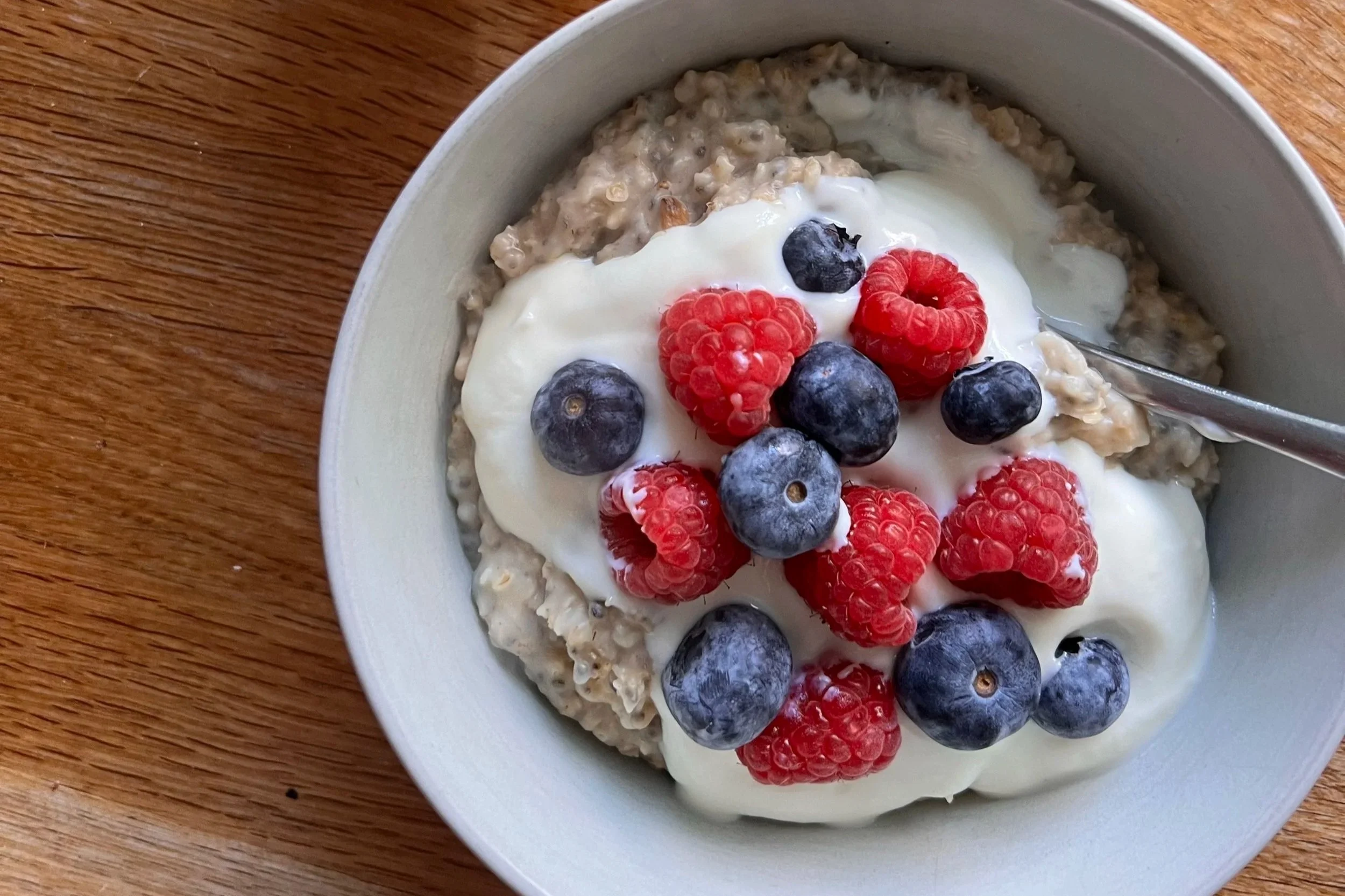
This is one of my favorite breakfasts when I want something warm and comforting.
Ingredients: ½ cup rolled oats, 1 cup milk of choice, ½ cup berries, 1 tablespoon almond butter, 1 tablespoon ground flax seeds, cinnamon, and a serving of protein powder or collagen peptides.
How to make it: Cook oats with milk and cinnamon until creamy. Stir in your protein source according to its preparation instructions, then top with berries, almond butter, and flax seeds.
Why it's great during your period: Oats provide fiber and some iron, berries provide antioxidants and vitamin C, and almond butter and flax add healthy fats.
2. Spinach & Feta Egg Scramble with Avocado Toast
A super simple, protein-rich breakfast that takes less than 15 minutes.
Ingredients: 2 eggs, 1 cup spinach, 2 tablespoons feta, 1 slice whole-grain or gluten-free toast, and ¼ avocado.
How to make it: Scramble eggs with spinach and feta. Serve alongside toasted bread topped with mashed avocado.
Why it's great during your period: Eggs provide protein and choline, spinach contributes folate and some iron, and avocado provides fiber and healthy fats.
3. Anti-Inflammatory Salmon & Sweet Potato Bowl
If there's one dinner I'd recommend adding to your menstrual phase rotation, it's this one! I recommend clients have salmon at least once per week because it is SO good for our hormones and really helps to reduce inflammation.
Ingredients: 4–5 oz salmon, 1 small sweet potato, 1 cup broccoli, ¼ avocado, olive oil, lemon, and seasonings.
How to make it: Cube the sweet potato and roast with olive oil at 400°F for approximately 25 minutes. Add seasoned salmon and broccoli to the oven during the last 12–15 minutes, cooking the salmon to a safe internal temperature of 145°F. Serve with avocado and lemon. You may want to cook the salmon longer depending on how well done you like it.
Why it's great during your period: Salmon provides omega-3 fatty acids and protein, while sweet potatoes offer satisfying carbohydrates and broccoli adds fiber and vitamin C.
4. Cozy Lentil & Vegetable Soup
There's nothing better than a warm bowl of soup when you're feeling crampy or exhausted.
Ingredients: ½ cup cooked lentils, 1 cup vegetable broth, ½ cup diced carrots, ½ cup chopped tomatoes, a handful of spinach, garlic, onion, and olive oil.
How to make it: Sauté garlic and onion in olive oil. Add carrots, tomatoes, broth, and lentils. Simmer until vegetables are tender, then stir in spinach.
Why it's great during your period: Lentils provide plant-based iron, fiber, and protein, while tomatoes contribute vitamin C to help with iron absorption.
5. Dark Chocolate Cherry Protein Smoothie
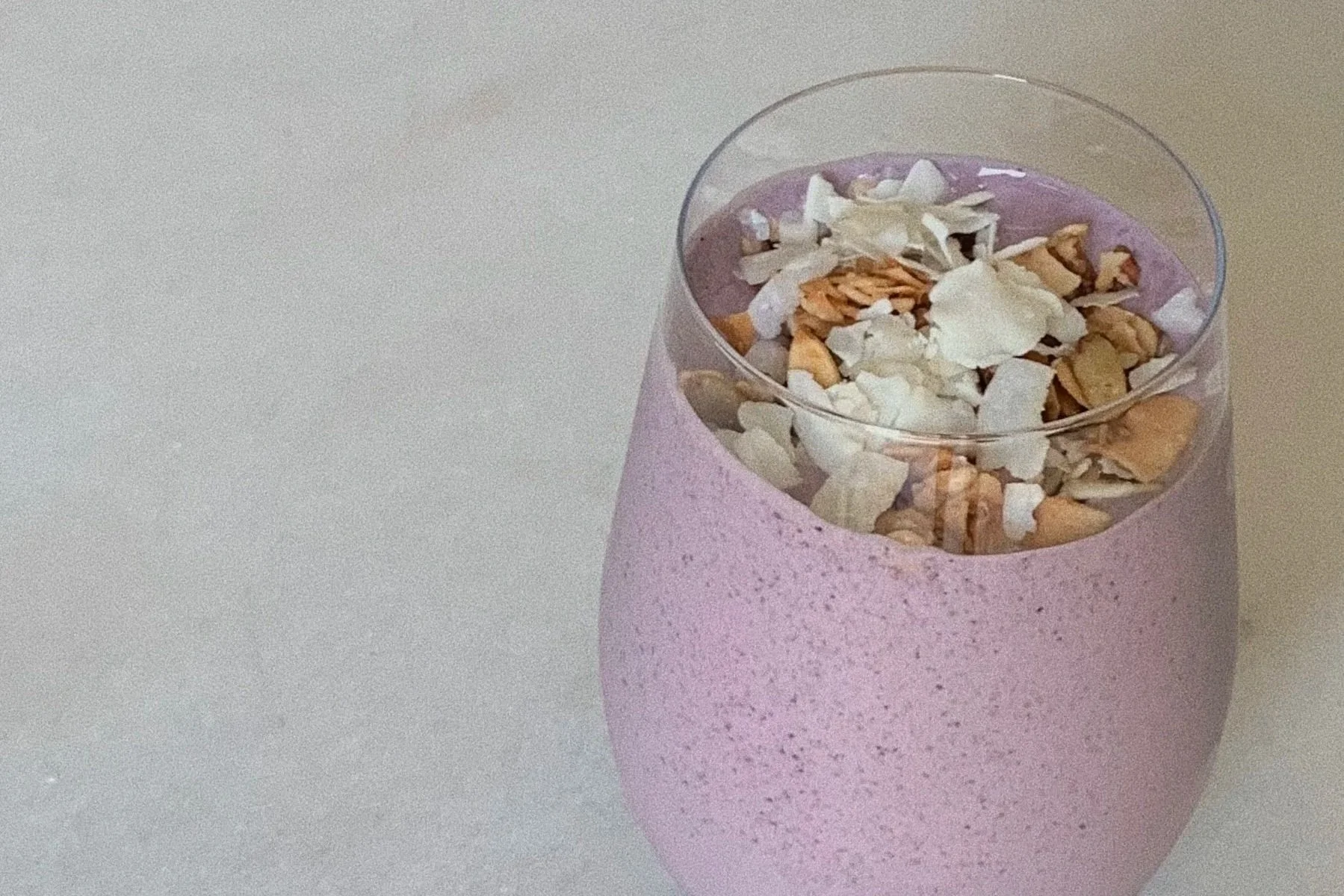
For days when you want something sweet but don't feel like cooking.
Ingredients: 1 cup frozen cherries, 1 cup milk of choice, 1 serving chocolate protein powder, 1 tablespoon almond butter, 1 teaspoon cocoa powder, and ice if desired.
How to make it: Blend everything until smooth.
Why it's great during your period: Cherries provide antioxidants, cocoa contains some magnesium, and the protein powder helps make this a more satisfying breakfast or snack.
6. Ground Turkey & Quinoa Stuffed Sweet Potatoes
This is a great meal-prep option that provides protein, fiber, and complex carbohydrates.
Ingredients: 1 medium sweet potato, 4 oz ground turkey, ⅓ cup cooked quinoa, ¼ cup diced bell peppers, olive oil, paprika, and garlic powder.
How to make it: Bake the sweet potato at 400°F until tender, approximately 40–50 minutes. Cook the turkey thoroughly with peppers and seasonings, then stir in quinoa. Slice open the sweet potato and fill with the turkey mixture.
Why it's great during your period: Turkey provides protein and zinc, quinoa contributes magnesium and fiber, and sweet potatoes provide energy-supporting carbohydrates.
7. Ginger Chicken & Rice Soup
Perfect when your period comes with a little nausea, digestive discomfort, or lower appetite.
Ingredients: 3–4 oz cooked shredded chicken, ½ cup cooked rice, 1½ cups chicken broth, ½ cup carrots, fresh grated ginger, and a squeeze of lemon.
How to make it: Simmer carrots and ginger in broth until tender. Add cooked chicken and rice, heat thoroughly, and finish with lemon.
Why it's great during your period: This is a gentle, comforting way to get protein, carbohydrates, and fluids, especially when you're not feeling your best.
8. Beef & Broccoli Stir-Fry with Brown Rice
One of my favorite options for incorporating more iron-rich foods during your period. You could also do this with ground turkey or chicken!
Ingredients: 4 oz lean beef strips, 1 cup broccoli, ½ cup cooked brown rice, 1 tablespoon coconut aminos or low-sodium soy sauce, garlic, ginger, and olive oil.
How to make it: Sauté beef until cooked, add broccoli and seasonings, and cook until tender. Stir in coconut aminos and serve over brown rice.
Why it's great during your period: Beef provides heme iron, which is generally more easily absorbed than plant-based iron. Broccoli provides vitamin C, and brown rice adds carbohydrates and fiber.
9. Greek Chicken & Roasted Vegetable Bowl
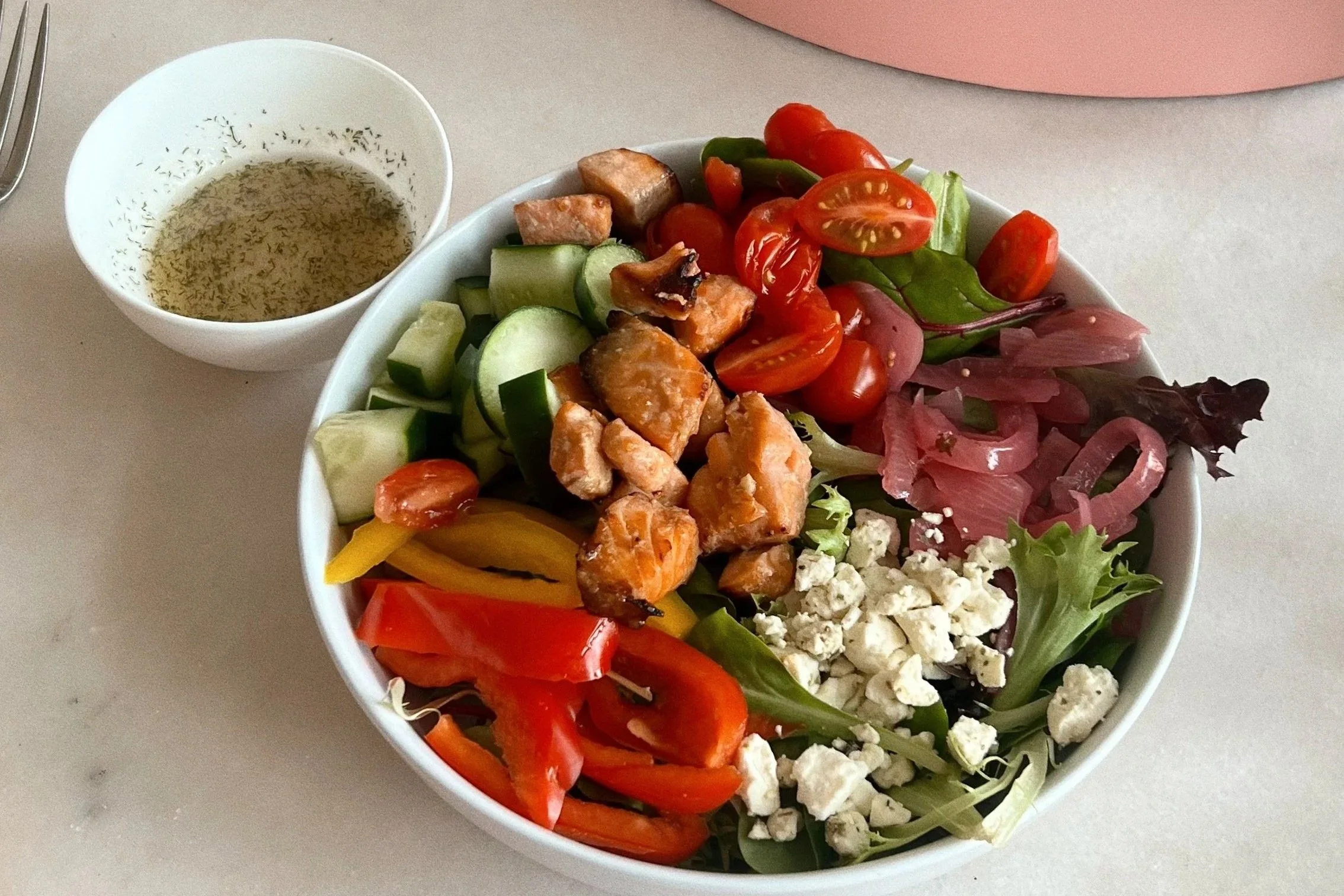
This is an easy meal to prep ahead of time and enjoy for lunch throughout the week.
Ingredients: 4 oz cooked chicken, ½ cup cooked quinoa, 1 cup zucchini and bell peppers, 2 tablespoons feta, olive oil, lemon, and oregano. You can also add tzatziki and hummus!
How to make it: Roast the vegetables with olive oil, salt, pepper, garlic powder and oregano at 400°F until tender. Serve with cooked chicken, quinoa, feta, and lemon.
Why it's great during your period: Chicken provides protein, quinoa contains fiber and magnesium, and the colorful vegetables contribute antioxidants and vitamins.
10. Banana, Walnut & Dark Chocolate Baked Oatmeal
Because sometimes you just want something that tastes like dessert for breakfast. 😂
Ingredients: ½ cup rolled oats, ½ mashed banana, 1 egg, ¼ cup milk, 1 tablespoon chopped walnuts, 1 tablespoon dark chocolate chips, cinnamon, and ¼ teaspoon baking powder.
How to make it: Mix everything together in a small oven-safe dish. Bake at 350°F for approximately 20–25 minutes, until set in the center.
Why it's great during your period: Oats provide fiber, walnuts offer healthy fats, and dark chocolate contributes some magnesium. Pair with Greek yogurt if you'd like additional protein.
✨ Ready to start eating to support & balance your hormone health?
My Cycle Syncing Meal Plan shows you exactly what to eat during each phase of your cycle
with over 100+ high protein, blood sugar balancing recipes organized by the phase of your cycle.
What Foods Should You Avoid During Your Period?
You don't need to eliminate entire food groups just because you're menstruating.
There's no universal rule that says you have to stop eating gluten, dairy, carbohydrates, or dessert during your period.
Instead, pay attention to how certain foods make you feel.
For example, if you're already experiencing bloating, you might notice that very salty meals make you feel more uncomfortable. If you're experiencing anxiety or poor sleep, too much caffeine may not be helpful.
But these are individual responses, not universal rules.
I always encourage my clients to focus more on what they can add to their diets rather than creating another long list of foods they aren't allowed to eat.
Sample 1-Day Menstrual Phase Meal Plan
Here's what a simple day of eating during your period could look like:
Breakfast: Warm cinnamon protein oatmeal with berries and almond butter.
Lunch: Cozy lentil and vegetable soup with whole-grain toast.
Snack: Greek yogurt with pumpkin seeds and dark chocolate chips.
Dinner: Salmon with roasted sweet potatoes, broccoli, and avocado.
Something sweet: Banana, walnut, and dark chocolate baked oatmeal.
Remember, these are just examples! Your portions and food needs will depend on your appetite, activity level, and individual nutrition needs.
How to Support Your Body During Your Period Beyond Nutrition
Nutrition is just one part of supporting your body throughout the menstrual phase.
If you're experiencing cramps, fatigue, or low energy, consider incorporating a few other supportive habits.
Prioritize rest and sleep. If you're feeling more tired than usual, give yourself permission to get some extra rest. Our bodies really do need rest, especially in the menstrual phase.
Choose movement that feels good. Walking, stretching, yoga, strength training, or even taking a rest day are all valid options. You don't need to automatically stop exercising during your period, but you can adjust based on how you feel.
Use heat for cramps. A heating pad or warm bath can help soothe menstrual discomfort.
Stay hydrated. Keep drinking water throughout the day, especially if you're experiencing digestive changes or headaches.
And remember, severe menstrual pain or unusually heavy bleeding isn't something you need to accept as normal.
Nourishing Your Body During the Menstrual Phase
If you're trying to figure out the best foods to eat during your period, start simple.
Focus on meals that provide iron, protein, complex carbohydrates, healthy fats, and plenty of vitamins and minerals.
Choose foods that actually sound good to you.
And don't feel like you need to follow a completely different diet every week of your cycle.
Cycle syncing is about learning how to support your body's changing needs and rhythms, not creating another set of complicated wellness rules.
If you want more help figuring out what to eat throughout all four phases of your menstrual cycle, my Cycle Syncing Meal Plan includes 100+ hormone-supportive recipes, cycle tracking resources, and education to help you understand how your nutritional needs and preferences may change throughout the month.
FAQs About Menstrual Phase Foods & Recipes
What are the best foods to eat during your period?
Some great foods to prioritize include iron-rich foods like lean beef, lentils, beans, and spinach; omega-3 sources like salmon; magnesium-containing foods like pumpkin seeds and almonds; and balanced meals with protein, fiber, and carbohydrates.
What should I eat for breakfast during my period?
Protein oatmeal, eggs with avocado toast, Greek yogurt with berries, or baked oatmeal are all great options. Aim for a breakfast that provides enough energy and includes protein, fiber, and healthy fats.
What foods help with period cramps?
There isn't one food proven to eliminate menstrual cramps. A nutrient-dense diet that includes omega-3 fats, magnesium-rich foods, and plenty of fruits and vegetables can support overall health. Research on specific nutrients for cramp relief is still limited. Heat therapy and appropriate pain-relief treatments have stronger evidence.
Should I eat more iron during my period?
Iron is particularly important for people who menstruate because iron is lost through bleeding. Foods like lean beef, lentils, beans, spinach, and iron-fortified grains can help you meet your daily needs. If you experience heavy periods or significant fatigue, iron testing may be helpful before considering supplementation.
Is it normal to be hungrier during your period?
Yes, appetite can change throughout your menstrual cycle. Some women notice increased hunger in the days leading up to their periods, while others experience appetite changes during menstruation. Instead of ignoring hunger, focus on satisfying meals and snacks.
Should I avoid coffee during my period?
Not necessarily! You don't automatically need to give up coffee during your period. However, if caffeine worsens your anxiety, sleep, digestive discomfort, or other symptoms, reducing your intake may help.
Can cycle syncing your meals actually balance your hormones?
Cycle syncing can be a helpful framework for paying attention to your body's changing needs throughout the month. However, research hasn't established that eating specific foods during specific menstrual phases directly balances reproductive hormones. The biggest benefits come from consistently meeting your nutritional needs, eating a varied diet, and adjusting your habits based on your individual symptoms.
What are the best meals for period fatigue?
Balanced meals containing protein, carbohydrates, and iron-rich ingredients can help you meet your nutritional needs. Try lentil soup, eggs with toast, salmon and sweet potatoes, or beef and broccoli with rice. If fatigue is severe or persistent, nutrition alone may not address the underlying cause.
Sources
National Institutes of Health, Office of Dietary Supplements. Iron Fact Sheet for Consumers.
Office on Women's Health. Iron-Deficiency Anemia.
American College of Obstetricians and Gynecologists. Dysmenorrhea: Painful Periods.
Cochrane. Dietary Supplements for Pain During Menstruation.

✨ Ready to finally balance your hormones?
If you're struggling with symptoms like stubborn weight gain, fatigue, PMS, or PCOS/PMOS and feel like you've tried everything, you don't have to figure it out on your own.
Through my 1:1 hormone health coaching, we create a personalized plan that supports hormone balance through nutrition, movement, and lifestyle habits.